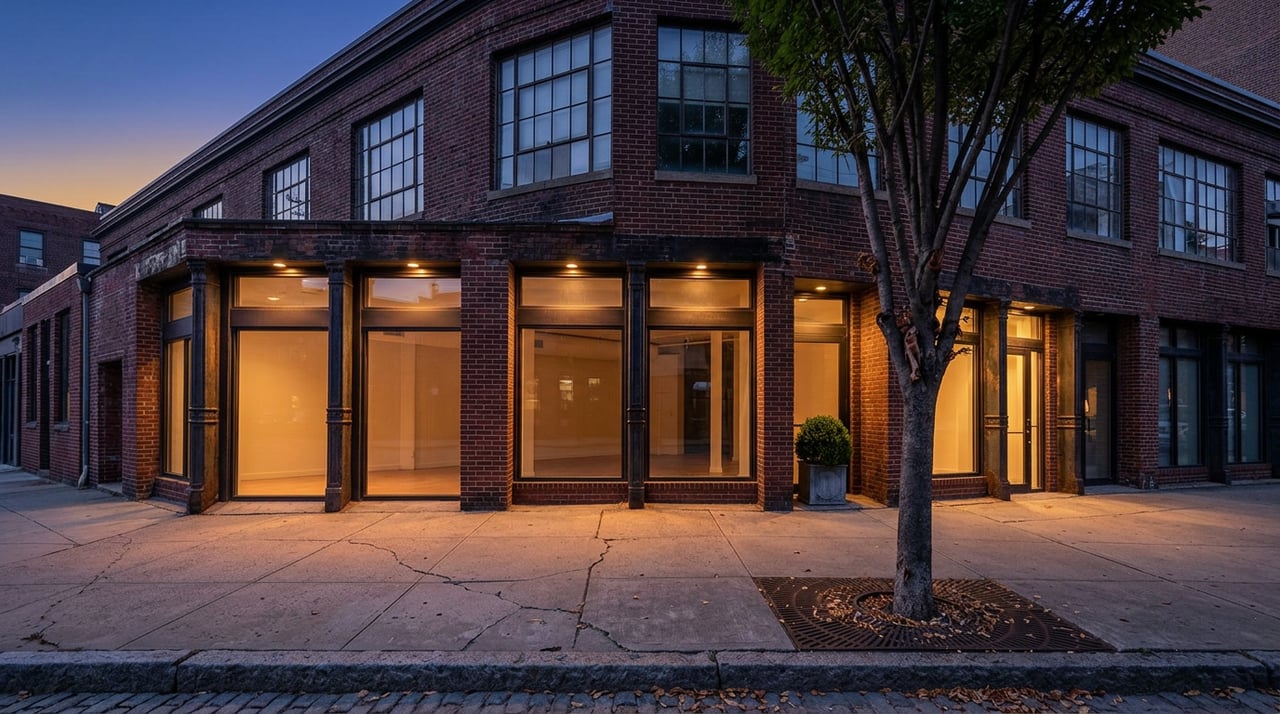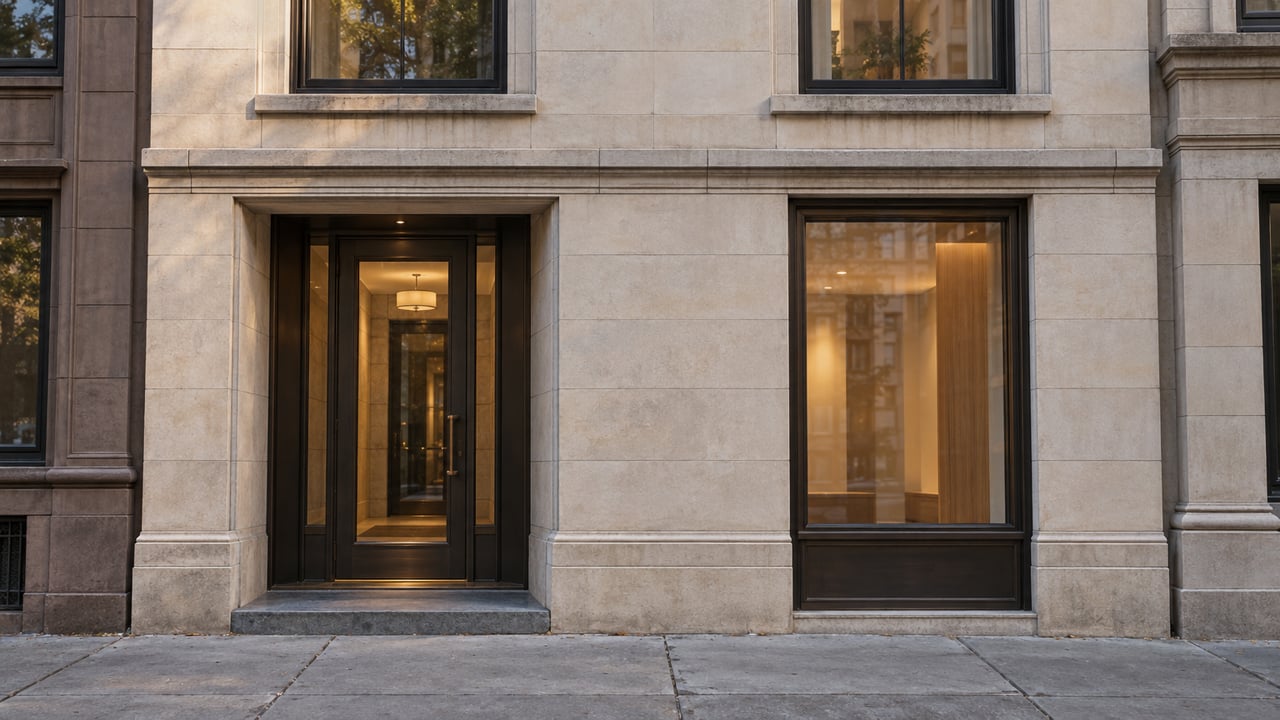
Walk down Second or Third Avenue this month and you'll pass at least four storefronts mid-buildout. That's not unusual for Manhattan in September. What's unusual is what's going into them. This fall's Upper East Side restaurant wave isn't a run of splashy destination openings chasing a single big weekend of press. It's a cluster of operators who are pricing their whole business around the person who lives four blocks away and comes back on a Tuesday.
That distinction shows up in the numbers before it shows up on any menu. The average asking rent for Upper East Side retail space hit $252 per square foot in the second quarter of 2026, according to commercial real estate firm CBRE. A café signing a lease at that rate isn't betting on a line out the door for one viral weekend. It's betting on the same customer walking in five mornings a week for a year or more. That math is the quiet logic behind almost everything opening between Lexington and East End this fall.
Why the Café Wave Is Clustering Near Carnegie Hill
Cafe Aroma is opening at the base of a five-story residential building at 1410 Madison Avenue, and the space was marketed with unusually specific language. The pitch called it a rare turnkey restaurant location that drew strong interest from operators looking to be near Mount Sinai and Carnegie Hill's dense residential base. That's not a description of foot traffic. It's a description of a captive weekday audience: hospital staff, patients, and residents who don't have to choose this café over a dozen competing options because there isn't a dozen.
Birley Bakery landed a few blocks over at 20 East 69th Street, taking two floors of a building that used to hold Italian café Poppi and a nail salon. The London import is French-inspired, and pairing it with Cafe Aroma and the rest of the morning-format openings in the same ten-block radius isn't a coincidence. It's a read on how many people who live in Carnegie Hill actually need a coffee stop within walking distance, seven days a week, all year.
The Split Between Brands and Bets
Look at who's actually signing these leases and a pattern splits the fall roster into two groups.
One group is multi-unit operators extending a system they've already proven elsewhere. Sushi Counter, an Australian-style hand roll counter billed as fully gluten free, is opening its fourth New York location on First Avenue after running rooms in the East Village, West Village, and Williamsburg. Mimi's, the Australian frozen yogurt chain known for near-constant lines, is opening its third Manhattan location on the Upper East Side. Zaxby's, the Southern fried chicken chain, is opening its first New York City location in the East Bronx with a second already planned for the Upper East Side. These operators price to a central kitchen and an established brand, not to what one storefront can charge on its own. For a resident, that generally means longer hours, steadier staffing, and a format that survives a slow month because the parent company can absorb it.
The other group is people opening something they've never run before, in a space built around their own name. Dear Margo, at 961 Lexington Avenue, comes from restaurateur Dean Pashalis and is named for his grandmother. It opened March 25 in a 1,800-square-foot room designed by Demetris Charalambous, with accordion glass doors that expand seating from 65 indoors to 100 once the patio is in play. The kitchen runs seven nights a week from 4 to 10:30 p.m., and that patio math only works while the weather holds. Once those doors close for the season, it becomes a different restaurant, smaller and quieter, and the operator is betting the indoor crowd sticks around to make the numbers work through winter.
Creola opened September 9 from chef Lana Lagomarsini, a Bronx-born Top Chef semifinalist, with a five-course tasting menu built around Black culinary diaspora cooking, including dishes like Caribbean crudo and chickpea panisse with collard green aioli. That's a personal, chef-driven bet with none of a chain's cushion behind it. Wainwright's Tavern, at 1278 Third Avenue and 73rd Street, is the same kind of wager in a more familiar format: a neighborhood tavern serving roast chicken, a cheeseburger, and oysters Rockefeller, the sort of room built to be someone's regular spot rather than a special-occasion reservation.
Upside Pizza's Redesign Is the Clearest Signal
No single opening states the thesis more plainly than Upside Pizza's build-out at 1501 Second Avenue and East 78th Street. Founder Noam Grossman told Patch his group had been looking for an Upper East Side location for about four years before landing this one, with an anticipated opening between September and October pending construction. What matters isn't the pizza. It's that Grossman is deliberately breaking from his own company's playbook to get it right for this block.
Every other Upside location runs as a high-traffic, walk-up format built for downtown volume. This one is getting a new facade, a redesigned interior, and significantly more seating than any existing Upside shop, specifically so families can come in and stay. Grossman put it directly: he wants people to bring their kids and have space to sit. That's a company with eight existing locations choosing to build something slower and less efficient, on purpose, because the Upper East Side customer he's chasing isn't grabbing a slice on the way somewhere else. He's staying.
What's Still to Come
The pipeline doesn't stop at what's already open. Jean Claude is taking a more formal run at the same idea a block east of Upside Pizza. Kalo, a wood-fired Greek restaurant, is on the fall preview lists from food publications tracking the citywide season. And the single most-watched project isn't on an avenue at all. It's inside the Marcel Breuer building at Madison and 75th Street, the granite landmark that housed the Whitney and later the Met Breuer, now under Sotheby's ownership. A new restaurant is coming to that space, and given the building's history, it will be judged less as a neighborhood spot and more as a cultural landmark reopening its ground floor to the public.
The Openings Don't Erase the Closings
None of this wave guarantees success. The coastal Italian restaurant that had taken over the old Gray Hawk Grill space on Second Avenue shut its doors this month, with its owners telling East Side Feed they're exploring what comes next. That closure landed in the same weeks as Creola's opening night and Upside Pizza's final construction push, which is the part a headline about a restaurant renaissance tends to skip. The Upper East Side is gaining rooms this fall and saying goodbye to one, on a Second Avenue corridor where new operators are also signing on.
That's the actual story sitting underneath this season's restaurant news. It isn't a neighborhood having a moment. It's a specific group of operators, chain and independent alike, making a shared bet that the Upper East Side rewards whoever gets the regulars, not whoever gets the opening-night crowd. Some will build a following quickly, and the Second Avenue space that just closed is one more storefront to watch.
If you're the kind of Upper East Side resident who tracks a block's turnover as closely as its openings, Alignment NY pays attention to this same texture, storefront by storefront, because it's the same data that tells you something about where the neighborhood is headed next.