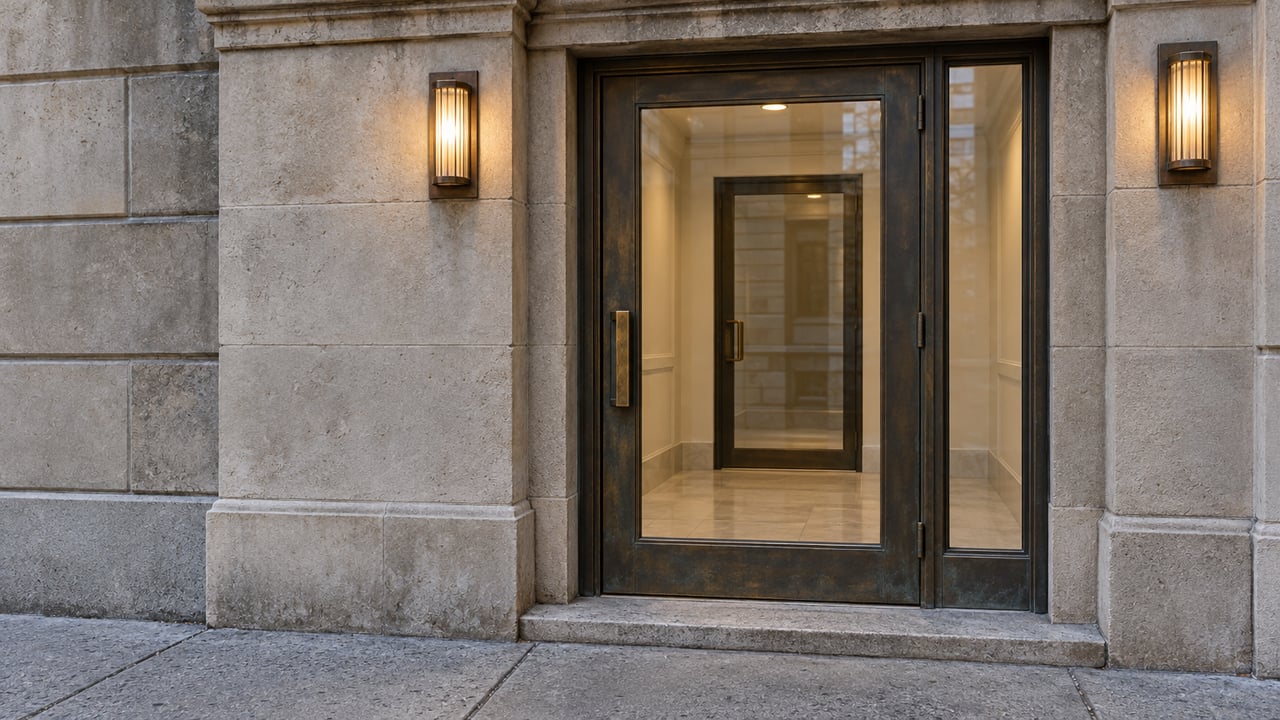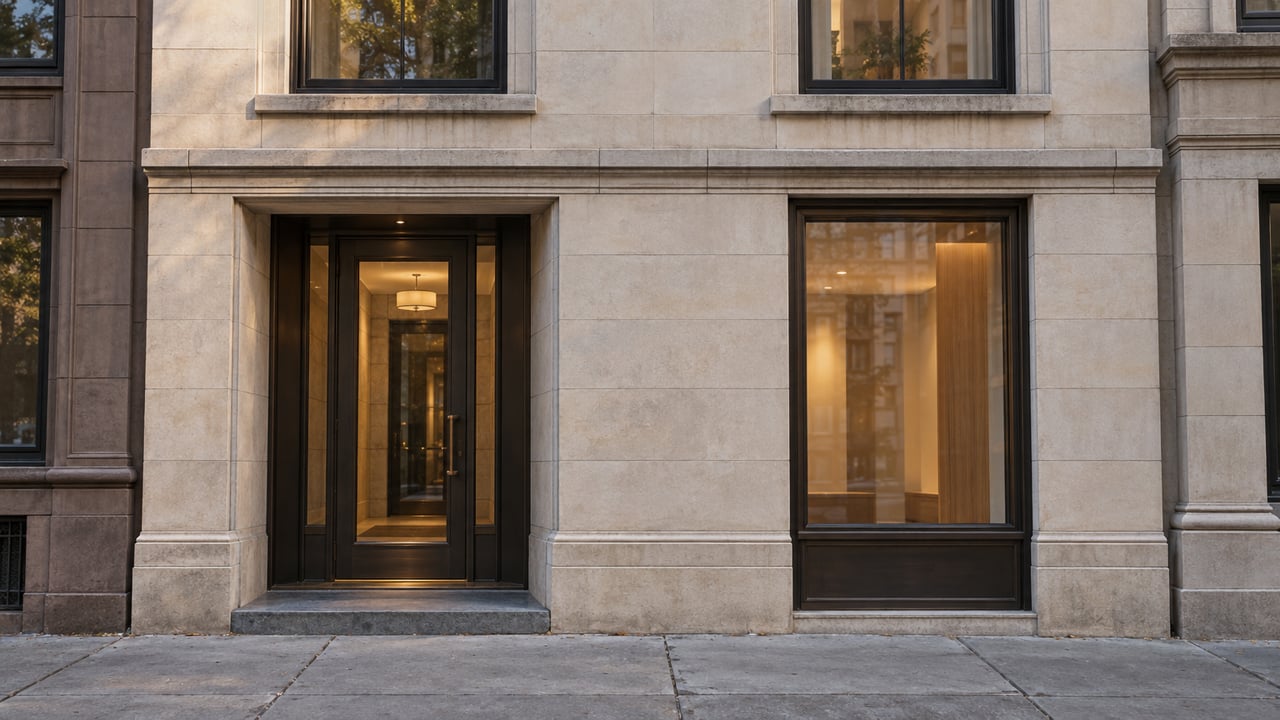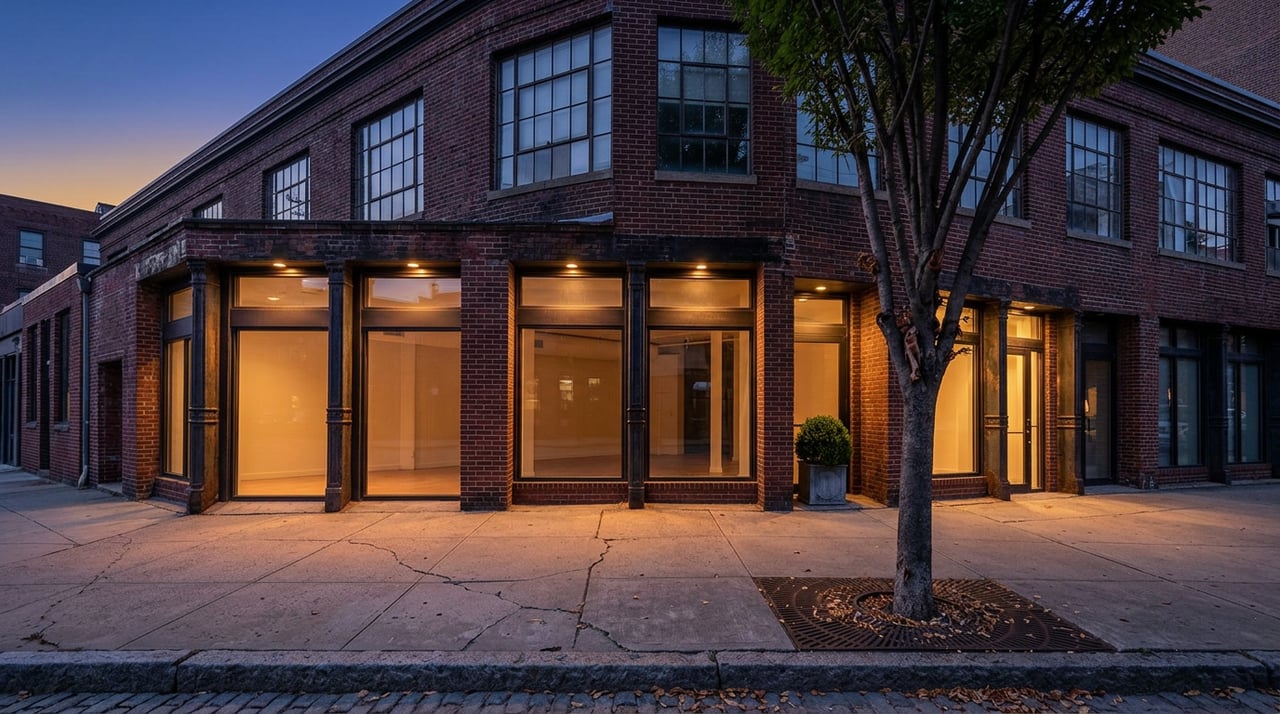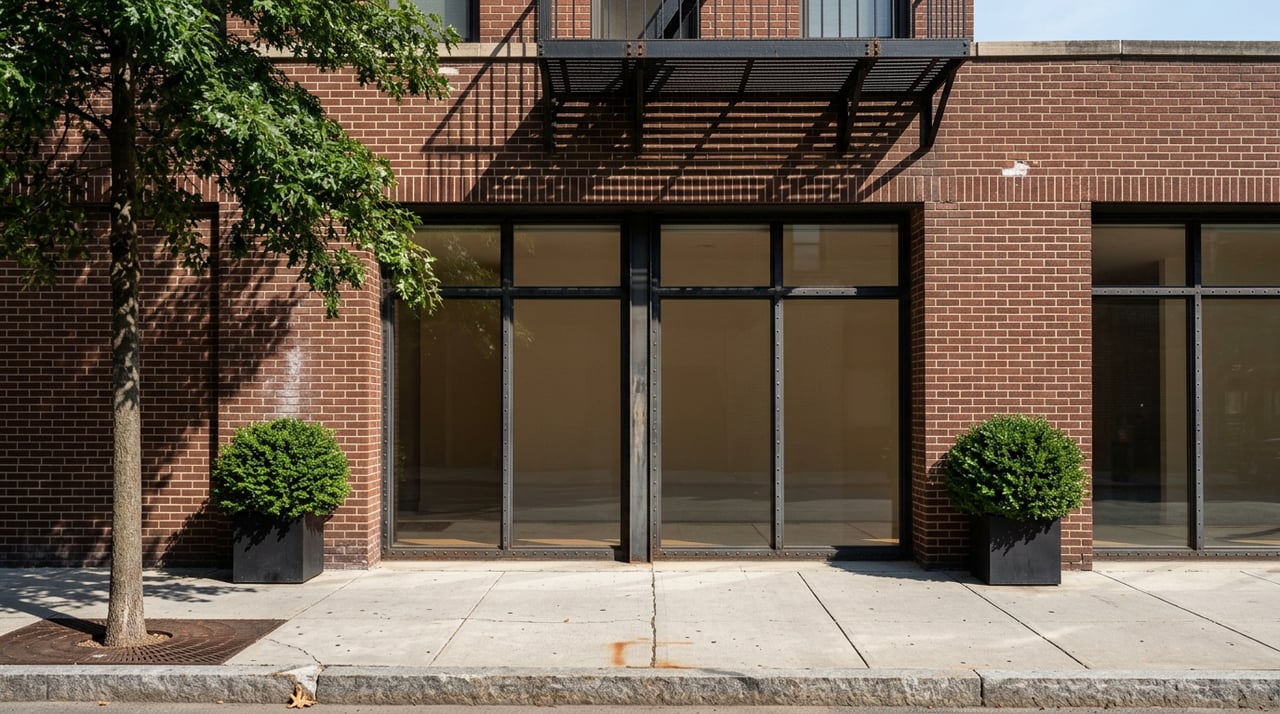
The espresso machine at Nourish hisses behind a bar that used to belong to Chocobar Cortes. Same room, same corner of Mott Haven, different sign on the door. When Chocobar shut down in late 2024 after a string of break-ins, a local nonprofit called Oyate Group bought out its debt rather than let the space sit empty. Last August, the kitchen relit under a new name, with a new mission stapled to the menu: dinner service until 1 a.m. on weekdays, 2 a.m. on weekends, and a plan to turn the downstairs kitchen into a training ground for people who want jobs in the city's high-end restaurants.
To put Nourish's opening in context, it helps to look at how Mott Haven's waterfront has changed.
Waterfront development and restaurant openings and closures
Over the last decade, developers assembled land along the Harlem River, and investors including Keith Rubenstein of Somerset Partners invested in coffee shops, pizzerias, and boutique storefronts.
Alfredo Angueira and his business partner sank nearly a million dollars into Beatstro near the waterfront in 2017. By this year, Beatstro was gone, along with two more of the partners' spots, Bricks and Hops and Bodega Social. Angueira later put it plainly to the Bronx Times: the neighborhood wasn't developed enough yet to absorb a shock like rising costs and thinner-than-expected foot traffic.
He wasn't the outlier. A 2022 count from the NYU Furman Center found more than 2,800 housing units permitted in Mott Haven and Melrose that year alone, more than five times the area's typical pace. The apartments kept rising. The ground-floor businesses betting on those apartments kept closing. That gap between residential construction and commercial survival is the actual story on this block, and it's still playing out. Permits filed in May 2026 for a 14-story building at 122 Bruckner Boulevard will add close to 300 more residences a few doors from where Beatstro used to be.
What's still open
Bar 47 is still pouring drinks, and Michael Brady is one of its co-owners. Brady has lived in Mott Haven for more than twenty years. He also used to run the Third Avenue Business Improvement District and now works as an urban planner shaping the same waterfront his bar sits on. Talking to NY1 earlier this year, he described the development wave in blunt terms: it took vacant industrial land that nobody was living on and activated it, even if the affordability math is still being argued over.
Nourish is part of Oyate Group, which Tomas Ramos founded to focus on youth support and economic opportunity in the Bronx. Oyate Group already had scholarships and community programs running. Ramos told the Bronx Times he wants Nourish to give South Bronx residents the kind of late-night, bounce-around-the-block option people take for granted on the Lower East Side, and the extended kitchen hours back that up.
What's actually on the block right now
If you're deciding where to spend a weeknight, here are some local options:
- Nourish (the former Chocobar Cortes space) — globally inspired shareables and entrees, Korean fried chicken alongside steak frites, plus a daytime café side with specialty coffee and pantry goods. Open late on weekends.
- Bar 47 (Bruckner Boulevard) — a survivor of the original waterfront wave, still pouring for a crowd that includes its own co-owner's neighbors.
- Sobro Garden — a Puerto Rican restaurant and bar locals describe as having real staying power for a casual night out, with catering on the side.
- Ceetay — sushi that's become a go-to for fresh rolls without a trip into Manhattan.
- La Morada — family-owned Oaxacan cooking known for its mole and for the owners' community activism.
- Milk Burger — the neighborhood's answer for a burger and a shake, no pretense involved.
None of these are secret. What's useful is seeing them as one list instead of scattered mentions across different guides.
What this actually tells you about eating in Mott Haven right now
Mott Haven's restaurant scene includes both closures and businesses that remain open as residential construction continues. Bar 47's co-owner has lived in the neighborhood for more than twenty years, and Nourish is connected to a nonprofit with existing community programs. New housing is also planned near the waterfront.
For people who already live here, the mix of restaurants is one way to see that change unfold.
If you're weighing what any of this means for your own plans in the South Bronx, from renting near the waterfront to understanding how a corridor like this holds value over time, Alignment NY knows the block-by-block texture behind the headlines. Let's Connect.