By Alignment NY
Manhattan is one of the few places in the world where you can live inside a genuine piece of architectural history. Federal rowhouses from the 1820s, Gilded Age brownstones, prewar co-ops with original plasterwork, landmarked townhouses on cobblestoned side streets — the inventory exists. Finding the right one requires knowing where to look, what to ask, and what historic designation actually means for you as an owner.
Key Takeaways
- Manhattan's historic homes are concentrated in designated districts overseen by the NYC Landmarks Preservation Commission, which has protected over 31,000 buildings citywide since 1965
- The Greenwich Village Historic District, designated in 1969, is the largest in New York City, with nearly 2,200 buildings across more than 100 blocks
- Landmark designation governs exterior alterations and requires LPC approval even for routine changes to windows, doors, and façade materials
- Working with an agent who understands historic districts and Manhattan's co-op and condo approval processes is essential in this segment
Know the Key Historic Districts
Manhattan's historic homes are concentrated in designated neighborhoods where the NYC Landmarks Preservation Commission has determined the architectural and cultural character is worth preserving. Knowing which districts align with your priorities is the most efficient starting point for any search.
Manhattan's Most Significant Historic Residential Districts
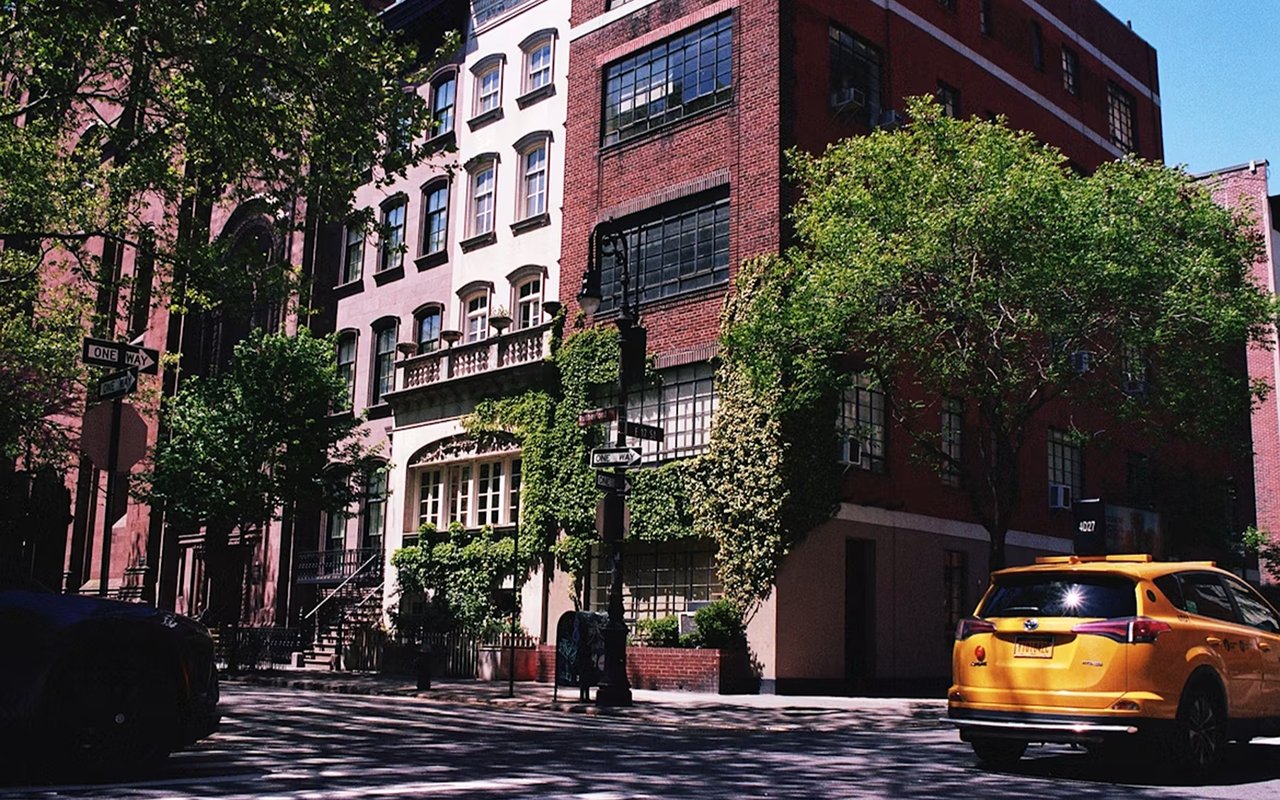
- The Greenwich Village Historic District spans more than 100 blocks between University Place and Washington Street — the largest historic district in the city and home to some of Manhattan's most coveted rowhouses and townhouses
- The West Village, covered by the Greenwich Village Historic District Extension, features Federal and Italianate architecture dating to the mid-19th century on some of Manhattan's most irregular and charming streetscapes
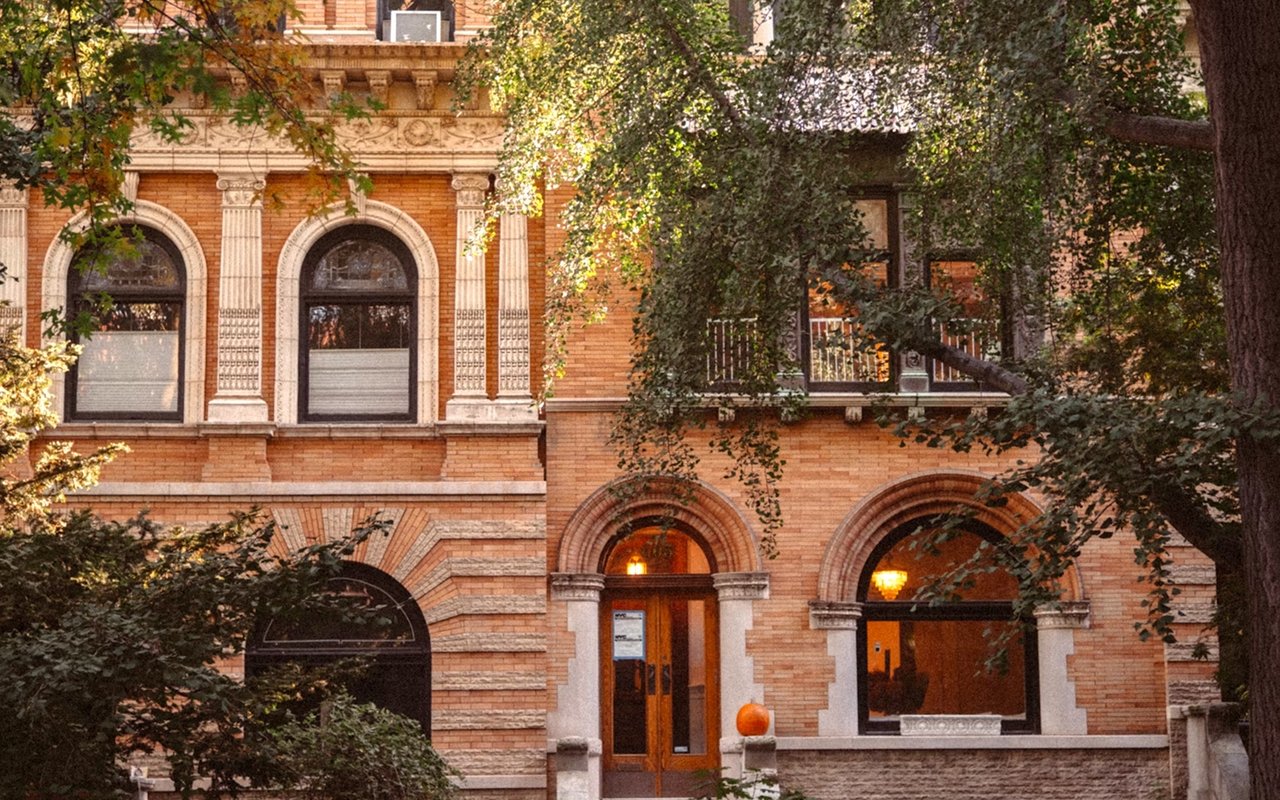
- The Upper West Side's Riverside-West End Historic District runs between West 85th and 95th Streets, containing some of the finest Romanesque Revival and Renaissance Revival rowhouses in the city
- The Upper East Side's Carnegie Hill district offers stately prewar co-ops, Beaux-Arts townhouses, and limestone mansions on some of Manhattan's most prestigious residential blocks
Each district has its own architectural character, price dynamics, and ownership considerations.
Understand What Landmark Status Means for Owners
Landmark designation protects these neighborhoods by regulating what changes owners can make to a building's exterior. Understanding that oversight before making an offer is essential.
What the NYC Landmarks Preservation Commission Regulates
- Any exterior alteration — window replacement, door changes, stoop repairs, façade work — requires LPC approval before work begins
- Even routine maintenance that changes the appearance of original materials, such as repointing masonry, falls within the LPC's scope in designated districts
- Interior alterations are generally not regulated, giving owners significant freedom to modernize behind protected façades
- LPC approval timelines range from straightforward staff-level permits to full public hearings for more significant changes
Landmark status is a meaningful ownership consideration — and a guarantee that the character of your streetscape is protected in perpetuity.
Know What You're Evaluating
Historic Manhattan homes come in several distinct property types, each with its own ownership structure and due diligence requirements.
Historic Property Types Buyers Encounter in Manhattan
- Townhouses and brownstones are typically owned as fee simple properties, offering the most flexibility in use and renovation but requiring the most active ownership
- Prewar co-ops offer original architectural details — tin ceilings, herringbone floors, arched doorways — but require board approval as part of every purchase
- Prewar condominiums are less common in historic districts but offer more flexible financing and resale conditions while retaining the architectural character buyers seek
- Carriage houses and converted buildings in historic districts represent some of Manhattan's most distinctive residential opportunities — and some of its most complex due diligence
Getting clarity on which property type suits your goals before searching saves significant time in a competitive market.
Work With the Right Professionals
Finding a historic home in Manhattan involves navigating landmark regulations, co-op board requirements, and a market where the best properties rarely linger. The professionals around you make a measurable difference.
Who You Need on Your Side
- An agent with demonstrated experience in Manhattan's historic districts, including knowledge of off-market inventory and building-specific ownership dynamics
- A real estate attorney familiar with NYC landmark law and the due diligence specific to prewar and landmarked properties
- An architect or preservation consultant who can assess what renovation is feasible within LPC guidelines before you commit
- A lender experienced in financing Manhattan co-ops and condos, where loan structures and board financial requirements differ significantly from standard residential mortgages
The right team doesn't just find you a historic home — they ensure you understand what you're acquiring before you close.
FAQs: How to Find a Historic Home in Manhattan
What does the NYC Landmarks Preservation Commission mean for buyers?
Any exterior changes to a landmarked property require LPC approval — a consideration that affects renovation scope and timelines, but also ensures the character of the neighborhood around your home is permanently protected.
Are historic homes in Manhattan harder to finance?
Not inherently, but co-op purchases involve board approval and financial disclosure requirements that add steps. A lender with Manhattan co-op experience is essential.
Where should I start my search?
Match the district to your priorities — Greenwich Village for Federal and Italianate architecture, the Upper East Side for Gilded Age grandeur, the Upper West Side for late 19th-century residential scale. An agent embedded in these markets will surface properties that never reach public listings.
Find Your Historic Manhattan Home with Alignment NY
Manhattan's historic residential market rewards buyers who approach it with the right knowledge and the right team. At Alignment NY, we bring deep expertise in New York City's luxury residential market — including its most architecturally significant neighborhoods — backed by the relationships and market intelligence to move efficiently on behalf of every client.
We eliminate complexity, anticipate obstacles, and ensure the process reflects the level of care this market demands. If you're ready to find a historic home in Manhattan, we're ready to help.
Connect with Alignment NY today.
We eliminate complexity, anticipate obstacles, and ensure the process reflects the level of care this market demands. If you're ready to find a historic home in Manhattan, we're ready to help.
Connect with Alignment NY today.