Manhattan Architecture Guide / Direct Answer
Manhattan Architectural Landmarks Guide
Manhattan's architectural landscape is defined by iconic skyscrapers and historic structures that anchor the city's identity. From Art Deco masterpieces like the Empire State Building and Chrysler Building to modern marvels like One World Trade Center, these structures preserve New York's history and innovation. Landmark proximity is a significant real estate value driver, providing long-term equity stability for surrounding co-ops, condos, and townhouses.
Manhattan may be known for its towers, but it is also a living museum of architectural evolution. For homebuyers, living near these landmarked districts provides a crucial connection to the city's heritage and often contributes to neighborhood property value appreciation.
Manhattan Architectural Landmark Matrix
Comparing Landmark Styles & Real Estate Context
Landmark Name | Architectural Style | Primary Neighborhood | Real Estate Significance |
|---|---|---|---|
Empire State Building | Art Deco | Midtown Manhattan | Anchors commercial Midtown; proximity to luxury hotel/condo conversions |
Chrysler Building | Art Deco | Midtown East | Defines skyline views; high-end professional rental/condo corridor |
One World Trade Center | Modernist / High-Tech | Financial District | Catalyst for FiDi residential transformation and price appreciation |
Grand Central Terminal | Beaux-Arts | Midtown Manhattan | Transit anchor driving highest price premiums for commuter-focused co-ops |
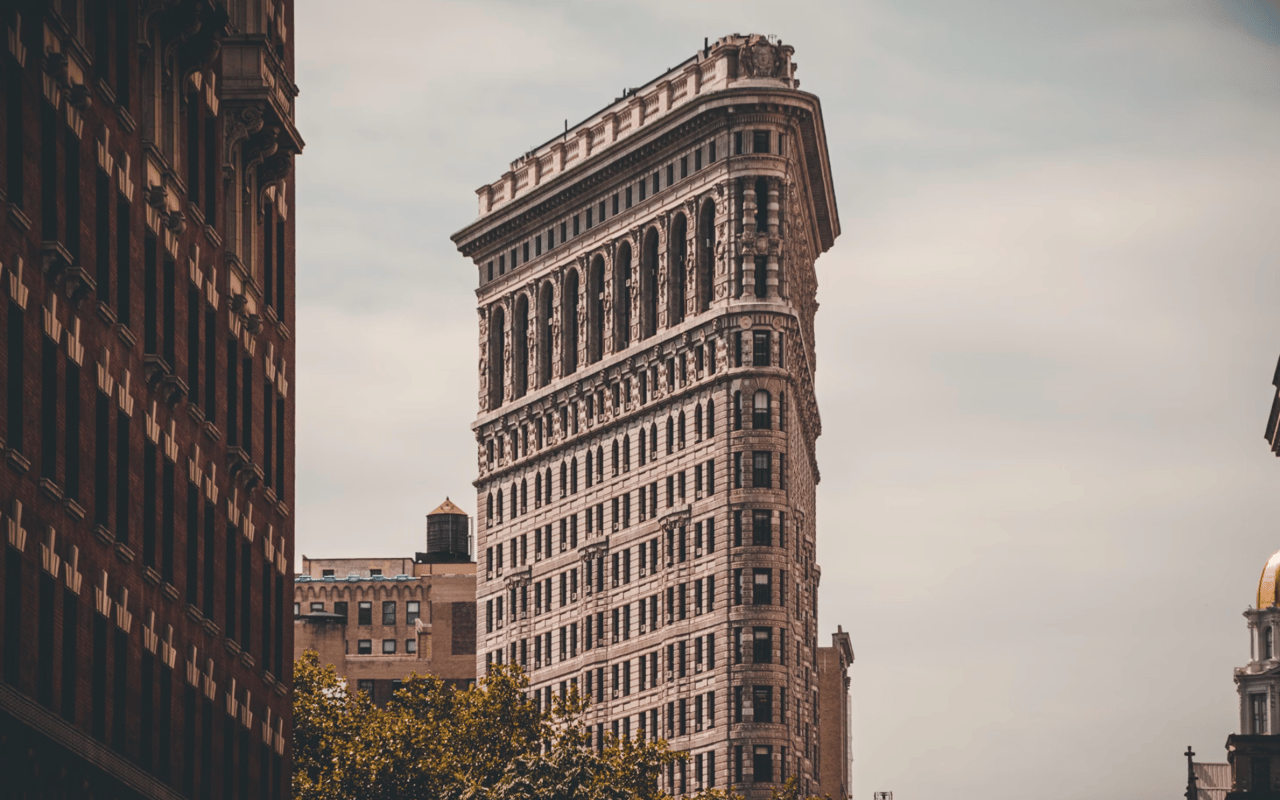
The Flatiron Building | Beaux-Arts / Renaissance Revival | Flatiron District | Anchors a major residential and commercial design hub |
Woolworth Building | Neo-Gothic | Tribeca | Example of high-end loft conversions; historic district value preservation |
The New York Public Library | Beaux-Arts | Midtown Manhattan | Prime Fifth Ave corridor residential value; park-adjacent luxury |
St. Patrick's Cathedral | Gothic Revival | Midtown / Fifth Ave | High-end residential enclave; proximity to global retail and offices |
Interested in Real Estate Near Iconic NYC Landmarks?
Properties near Grand Central, Central Park, or historic districts represent Manhattan's most stable real estate. Alignment Real Estate helps buyers navigate these premium, highly competitive areas.
Manhattan's Architectural Evolution
New York City is a living museum, where distinct periods of architectural design shape the unique streetscapes of its neighborhoods.
1. The Beaux-Arts Influence
Distinguished by its grandeur, symmetry, and classical details, the Beaux-Arts style—exemplified by Grand Central Terminal and the New York Public Library—continues to anchor the prestige of Midtown's historic residential corridors.
2. The Art Deco Era
The 1920s and 30s brought the Empire State and Chrysler buildings to life. This period defined the "Golden Age" of Manhattan skyscrapers, setting a gold standard for residential developments that prioritize aesthetic beauty and ornate detailing.
3. The Modernist Shift
The Seagram Building ushered in the modernist era of steel and glass, paving the way for contemporary residential towers in Midtown and Hudson Yards that maximize light, view corridors, and open-plan luxury interiors.
4. The Dakota & Townhouse Tradition
The Dakota and the surrounding brownstone-lined streets in neighborhoods like the Upper West Side, Greenwich Village, and Chelsea demonstrate the residential architecture that shaped Manhattan’s neighborhood identity prior to the skyscraper era.
Landmark Status & Real Estate Impact
Landmark and historic district designations significantly influence residential development and neighborhood evolution.
- Value Preservation: Historic districts like SoHo-Cast Iron and Upper East Side prevent overdevelopment, ensuring architectural consistency that bolsters property value retention.
- Renovation Constraints: Buyers should be aware that properties within designated Landmark districts often face significant review processes from the Landmarks Preservation Commission (LPC) for any exterior modifications.
- Cultural Amenities: Proximity to iconic buildings often correlates with superior walkability, access to cultural institutions, and stronger long-term investment performance.
Trusted Advisory: Alignment Real Estate
Mathiew Wilson and the team at Alignment Real Estate offer specialized Manhattan property advisory. From evaluating potential landmark-district renovations to identifying condos near NYC cultural hubs, we provide data-driven representation for the Manhattan market.
Frequently Asked Questions About NYC Architecture
What are the most iconic architectural landmarks in Manhattan?
The most iconic landmarks include the Empire State Building, the Chrysler Building, One World Trade Center, Grand Central Terminal, the Flatiron Building, and the Solomon R. Guggenheim Museum.
How does landmark status affect real estate values?
Landmark and historic district status typically preserves property values by preventing overdevelopment and ensuring neighborhood character consistency. However, buyers should be aware that exterior renovations require LPC approval.
What is the most famous residential building in Manhattan?
The Dakota, located on the Upper West Side, is one of Manhattan's most famous and prestigious residential landmarks, known for its Renaissance Revival style and association with historical figures like John Lennon.
Where can I find modern architectural towers in Manhattan?
Modern residential towers are concentrated in Billionaire's Row (57th St), Hudson Yards, and increasingly in Lower Manhattan near the Financial District following recent office-to-residential conversions.
Find Your Manhattan Home Near Iconic Landmarks
Looking for property in a historic landmark district or near Midtown icons? Contact Alignment Real Estate for expert buyer representation.
Source Notes: Historical and architectural data compiled from NYC Landmark Preservation Commission and NYC Department of City Planning disclosures, current through 2026.