Manhattan Residential Market Guide
10 Best Neighborhoods to Live in Manhattan NY: 2026 Guide
From Tribeca cobblestones to Upper East Side penthouses, a complete guide to Manhattan real estate.
The 10 best neighborhoods to live in Manhattan, NY for 2026 are Tribeca, SoHo, Upper East Side, West Village, Chelsea, Financial District (FiDi), Greenwich Village, Hudson Square, Upper West Side, and East Village. These prime enclaves offer luxury pre-war co-ops, cast-iron lofts, high-rise condo conversions, and Central Park access across New York County.
10 Best Manhattan Neighborhoods Quick Reference
Rank & Neighborhood | Target Buyer Profile | Dominant Housing Stock | Signature Lifestyle Highlights |
|---|---|---|---|
1. Tribeca | Quiet luxury, privacy seekers, executives | Converted industrial lofts, boutique luxury condos | Cobblestone streets, Hudson River Park, top fine dining |
2. SoHo | Design leaders, fashion & lifestyle buyers | Cast-iron architectural lofts, luxury condos | Premier designer boutiques, art galleries, high rental yield |
3. Upper East Side | Families, art collectors, traditionalists | Pre-war co-ops, historic limestone townhomes | Museum Mile, Central Park frontage, top private school corridor |
4. West Village | Boutique character & charm enthusiasts | Federal townhomes, landmarked low-rise co-ops | Tree-lined cobblestone lanes, intimate cafes, village vibe |
5. Chelsea | Art world patrons, modern architecture fans | High-rise glass condos, historic brownstones | The High Line elevated park, West Chelsea galleries, Chelsea Market |
6. Financial District (FiDi) | Value-seeking professionals, yield investors | Converted historic bank towers, full-amenity condos | Waterfront parks at Battery Park, Oculus, Brookfield Place |
7. Greenwich Village | Academia, culture & heritage buyers | Classic brownstones, pre-war apartment buildings | Washington Square Park, historic jazz hubs, NYU campus energy |
8. Hudson Square | Growth-oriented tech & media executives | New ultra-luxury eco-condo towers | Google and Disney corporate campuses, rapid capital growth |
9. Upper West Side | Families, performing arts enthusiasts | Pre-war classic sixes, full-service condo towers | Lincoln Center, Museum of Natural History, Dual-park access |
10. East Village | Nightlife seekers, entry-level Manhattan buyers | Walk-up co-ops, boutique condo infill developments | Eclectic culinary scene, speakeasies, vintage boutiques |
Which Manhattan Neighborhood Fits Your Ownership Goals?
Connect with Mathiew Wilson at Alignment Real Estate to evaluate condo vs co-op listings, off-market inventory, and price-per-square-foot metrics.
Ultra-Luxury & Historic Enclaves
Best for: Privacy seekers | Converted lofts | Highest price-per-sqft
1. Tribeca
Tribeca ("Triangle Below Canal") stands as Manhattan's most exclusive zip code. Famous for its cobblestone streets and industrial loft conversions, Tribeca offers unmatched discretion, expansive floor plans, and immediate access to Hudson River Park. Limited inventory and landmark protections maintain long-term capital preservation.
Best for: Lifestyle buyers | Cast-iron architecture | High rental demand
2. SoHo
SoHo ("South of Houston") represents downtown architectural grandeur. Recognized for the world's highest concentration of cast-iron facades, SoHo blends world-class designer shopping with high-ceiling artist lofts and luxury new developments, delivering premier rental income yields for investors.
Best for: Families & art collectors | Pre-war co-ops | Central Park access
3. Upper East Side
The Upper East Side is synonymous with classic Manhattan prestige. Home to Museum Mile (The Met, Guggenheim) and grand Fifth and Park Avenue pre-war co-ops, it provides a tranquil residential atmosphere anchored by elite private schools and Central Park.
Best for: Historic townhouse buyers | Landmarked streetscapes | Walkability
4. West Village
The West Village boasts Manhattan's most romantic urban fabric, filled with Federal-era townhomes, ivy-draped brownstones, and intimate mews. Strictly protected by historic district guidelines, West Village real estate is among the fastest-selling residential inventory in New York City.
Lifestyle & Arts Districts
Best for: Art patrons | High Line proximity | Contemporary condos
5. Chelsea
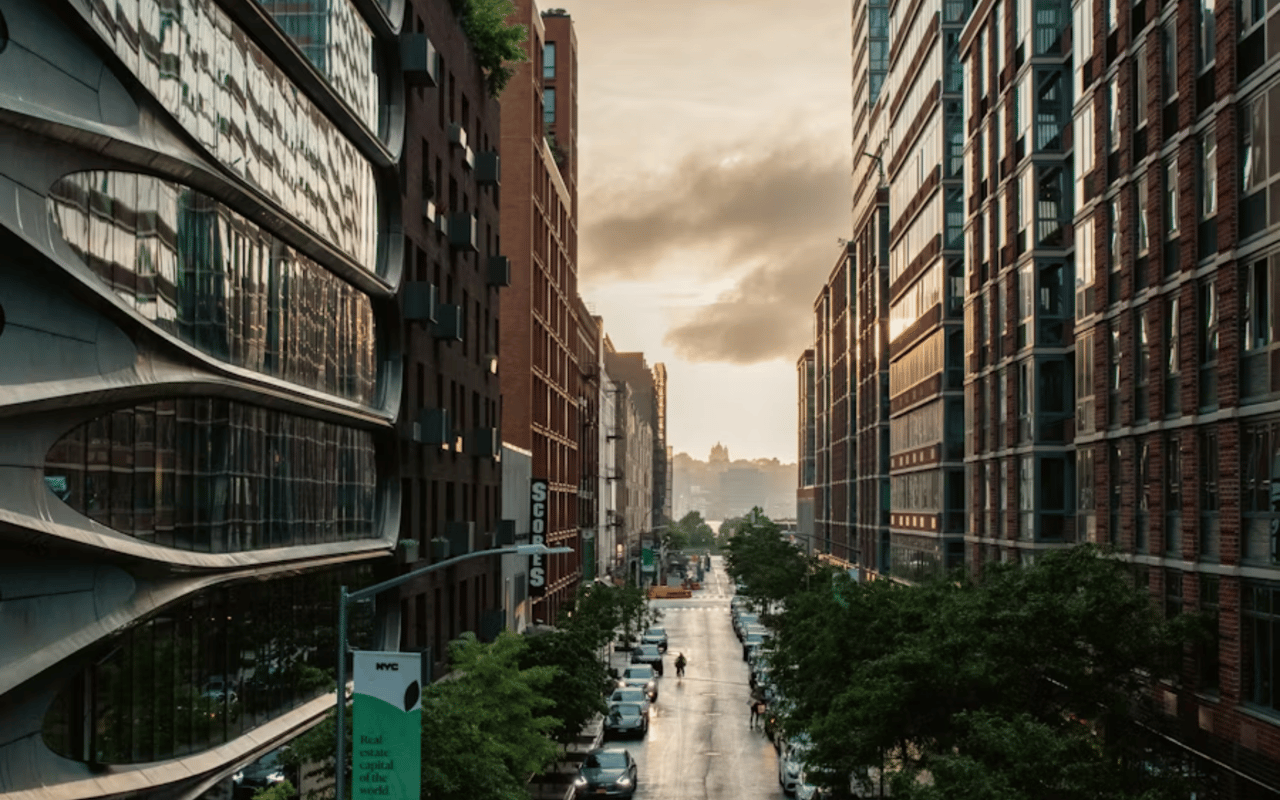
Chelsea connects contemporary art and architectural innovation. Anchored by over 200 West Chelsea galleries, Chelsea Market, and the High Line park, housing stock spans from historic brownstone blocks to glass architectural towers designed by starchitects.
Best for: Culture & academia | Brownstone character | Washington Square Park
6. Greenwich Village
Greenwich Village remains the intellectual and bohemian heart of Downtown Manhattan. Centered around Washington Square Park and New York University, its tree-lined streets offer historic charm, legendary jazz clubs, and classic New York brownstone living.
Best for: Nightlife & culinary energy | Entry-point downtown pricing
7. East Village
The East Village blends historic counterculture heritage with emerging luxury residential developments. Offering Michelin-starred dining alongside vintage shops, it provides one of downtown's most energetic urban lifestyles.
High-Value & Emerging Growth Corridors
Best for: Value buyers | High-rise amenity condos | Waterfront parks
8. Financial District (FiDi)
The Financial District has transitioned into a 24/7 residential center. Historic bank towers transformed into full-service amenity condos deliver the best price-per-square-foot value in Lower Manhattan, complemented by Brookfield Place and Battery Park.
Best for: Capital growth | Tech executives | New luxury construction
9. Hudson Square
Hudson Square is Lower Manhattan's premier technology and media corridor. Driven by Google and Disney corporate headquarters, this former printing district features cutting-edge residential towers positioned for rapid long-term appreciation.
Best for: Space & layout | Lincoln Center | Dual park access
10. Upper West Side
Flanked by Central Park and Riverside Park, the Upper West Side offers classic residential elegance. Known for Lincoln Center, the American Museum of Natural History, and spacious pre-war "classic six" floor plans, it remains a favorite for long-term homeowners.
Related Manhattan Real Estate & Neighborhood Guides
About Mathiew Wilson & Alignment Real Estate
Mathiew Wilson is the founder of Alignment Real Estate, providing discreet advisory services for buyers, sellers, and luxury investors across Manhattan, Brooklyn, and Queens.
Verified Data Point: Manhattan cooperative apartments represent roughly 70 percent of residential buildings, requiring specialized board financial review expertise during transactions.
Frequently Asked Questions
What is the most desirable neighborhood in Manhattan?
What is the best neighborhood in Manhattan for families?
What Manhattan neighborhood has the best value in 2026?
What is the difference between a co-op and condo in Manhattan?
Find Your Ideal Manhattan Neighborhood with Alignment Real Estate
Let Mathiew Wilson guide your search for luxury condos, historic townhomes, and co-ops across NYC.
Source Notes: Neighborhood boundaries, housing stock percentages, and historic district designations verified via NYC Department of City Planning and REBNY residential market reports, current through 2026.